What the procedure involves
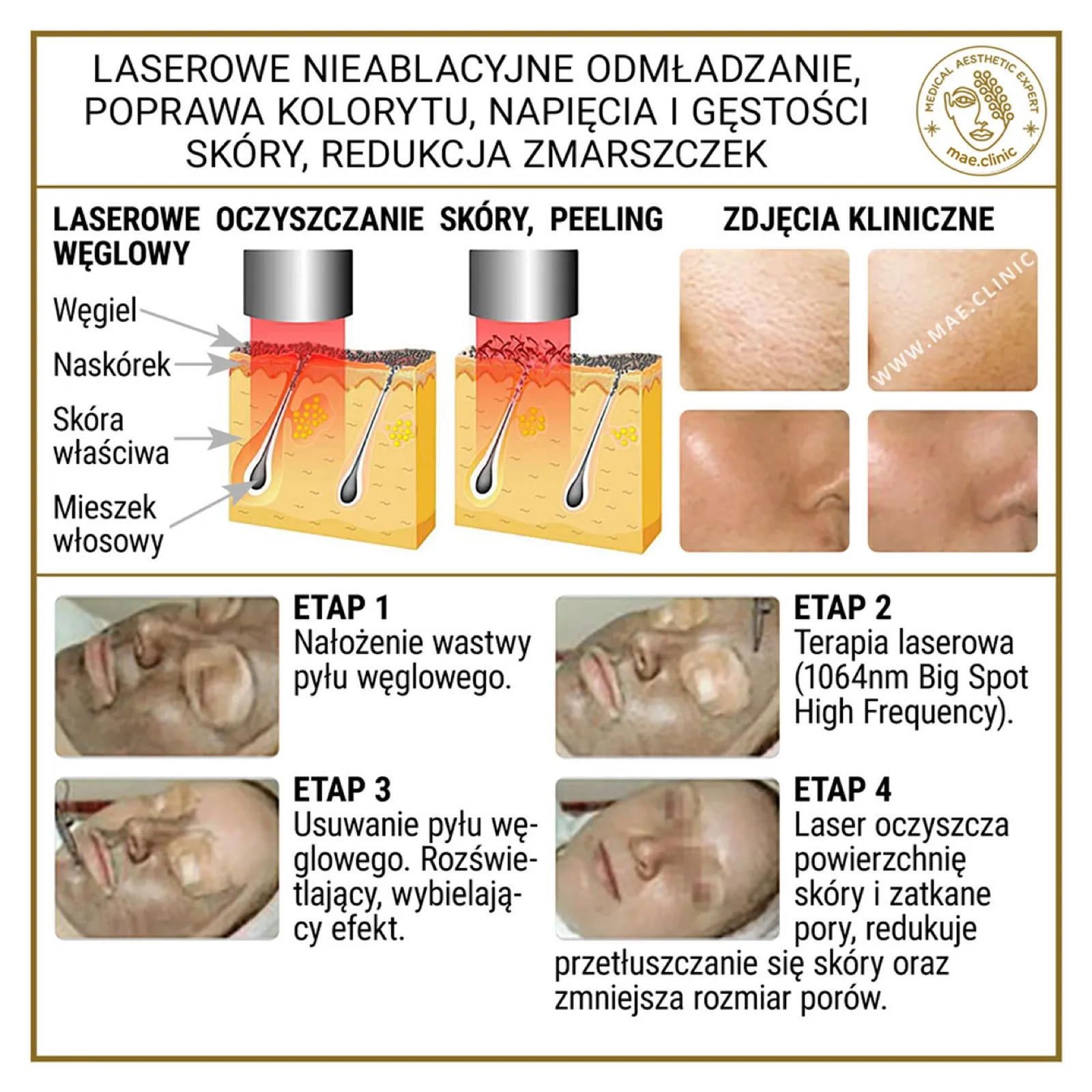
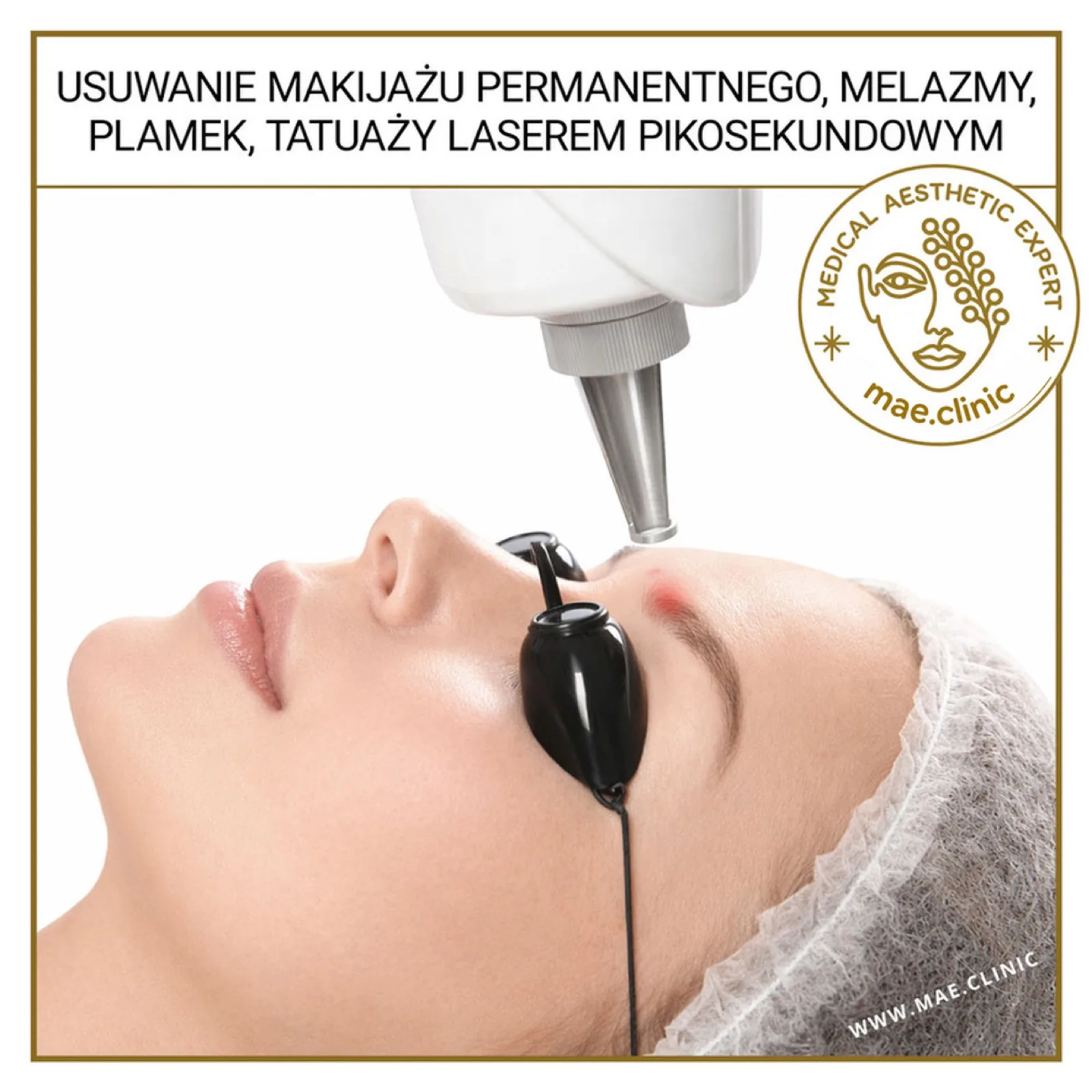
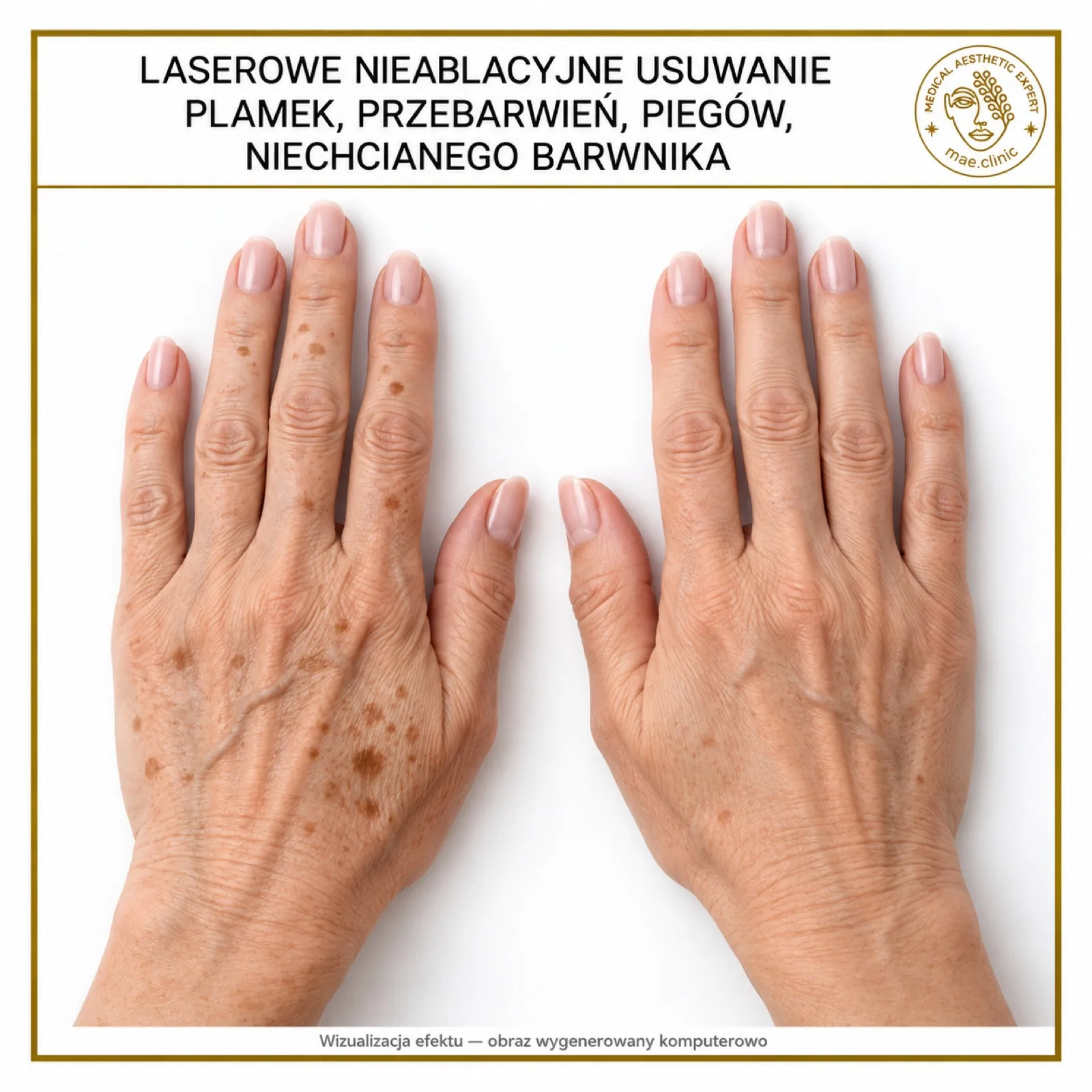
The Nd:YAG picosecond laser emits light at a wavelength of 1064 or 532 nm in pulses lasting trillionths of a second. The energy absorbed by the pigment generates high pressure that shatters pigment particles into microscopic fragments — thanks to their size, these are absorbed by the body and removed naturally. The 1064 nm wavelength reaches deeper pigment, while 532 nm works on superficial lesions — which is why we remove almost all tattoo colours and all types of pigmentation.
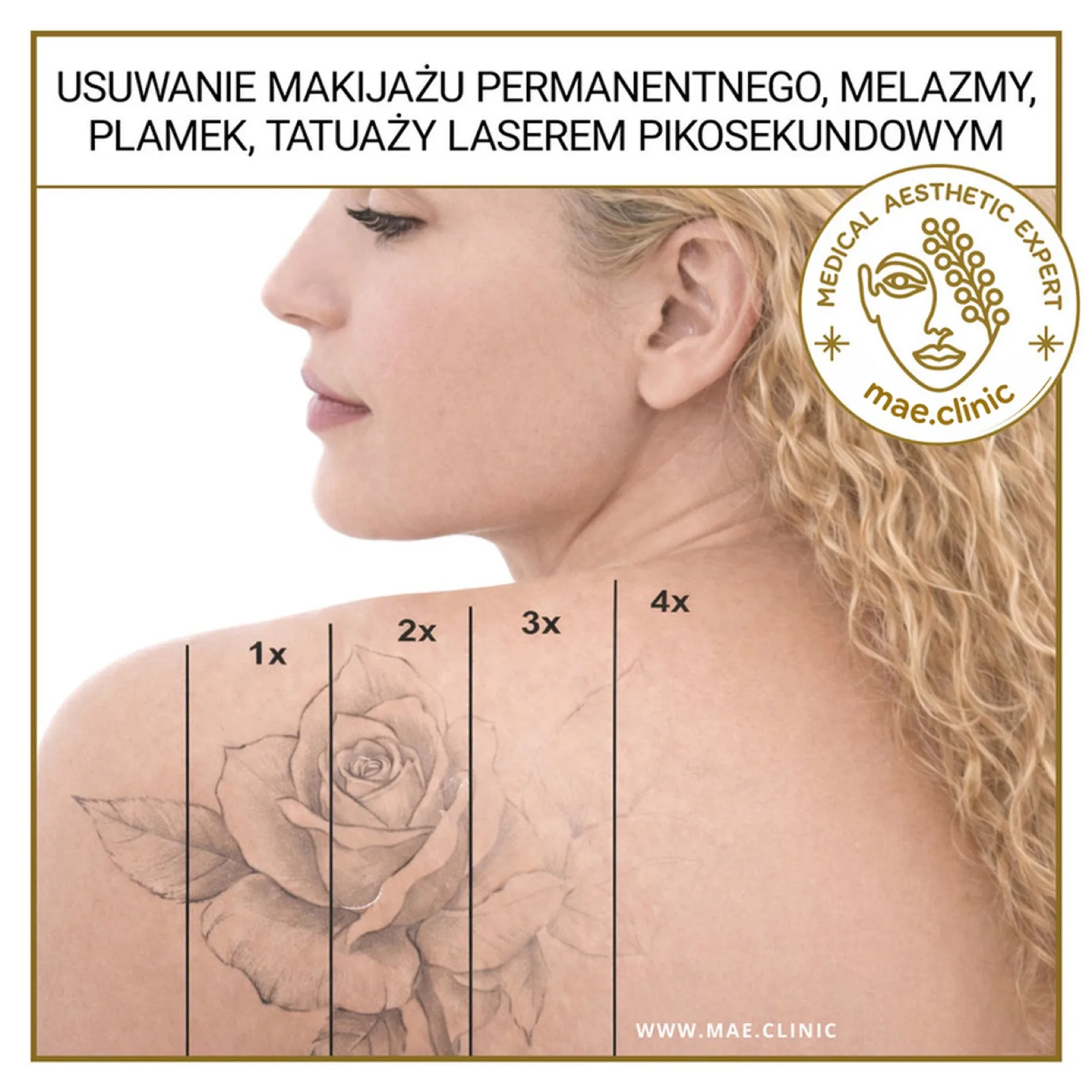
Thanks to its high power and precision, the picosecond laser removes tattoos and pigmentation in a series of 2-4 treatments, whereas older Q-switched lasers needed 5-10. This significantly shortens both the treatment time and the time the skin needs to recover. The photothermal pulse also stimulates fibroblasts to produce new collagen and elastin — the skin gradually becomes firmer, denser and smoother. For melasma and deeper pigmentation, therapy requires a series of treatments several weeks apart — the number is set by the doctor during the consultation.