




Blepharoplasty, upper and lower eyelid surgery
Blepharoplasty, surgical removal of excess lax eyelid skin, correction of fat herniation, reduction of under-eye bags (malar bags, festoons), a more youthful look.
- Description
- Results
- Reviews
- Prices
- Documents
What blepharoplasty involves
Blepharoplasty is one of the most frequently performed cosmetic surgery procedures on the face. Its aim is to restore the proper contour of the eyelids by removing excess skin, reducing fat herniation and correcting the soft-tissue deformities that develop with ageing. These changes may be purely aesthetic, but very often they also cause a feeling of heaviness in the eyelids and a partial restriction of the field of vision.
Treatment procedure
The procedure is performed under local anaesthesia and is completely painless for the patient. It is carried out on an outpatient basis and usually takes approximately one to one and a half hours.
During the procedure, a precise laser scalpel is used, enabling contact-free cutting of the tissues. This technique allows the incision line to be guided very accurately while simultaneously sealing small blood vessels, so intraoperative bleeding is minimal. Additional haemostatic control is provided by bipolar diathermy, used to seal the vessel lumen.
Qualification for the procedure
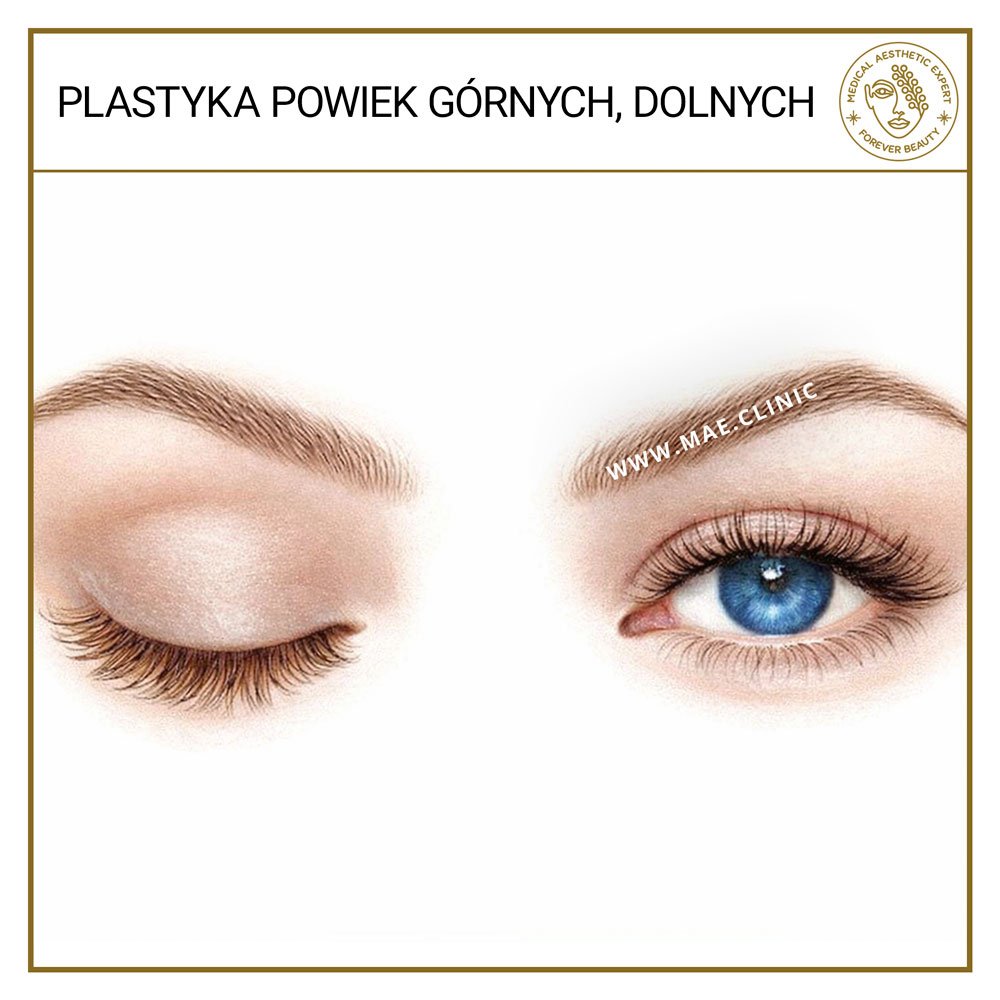
Before the procedure, a qualification assessment is carried out, comprising a clinical examination and a set of simple functional tests performed in a seated position.
- Among other things, the presence of any brow ptosis – drooping of the eyebrows that can affect the appearance of the eyelids – is assessed.
- MRD1, the distance between the pupil and the upper eyelid margin, is also measured to rule out eyelid ptosis.
- Bell’s phenomenon is checked as well, confirming that the protective mechanism of the cornea works properly, together with the so-called pinch test, which makes it possible to assess how much skin can be safely removed without the risk of the eyelids failing to close fully.
Upper eyelid blepharoplasty
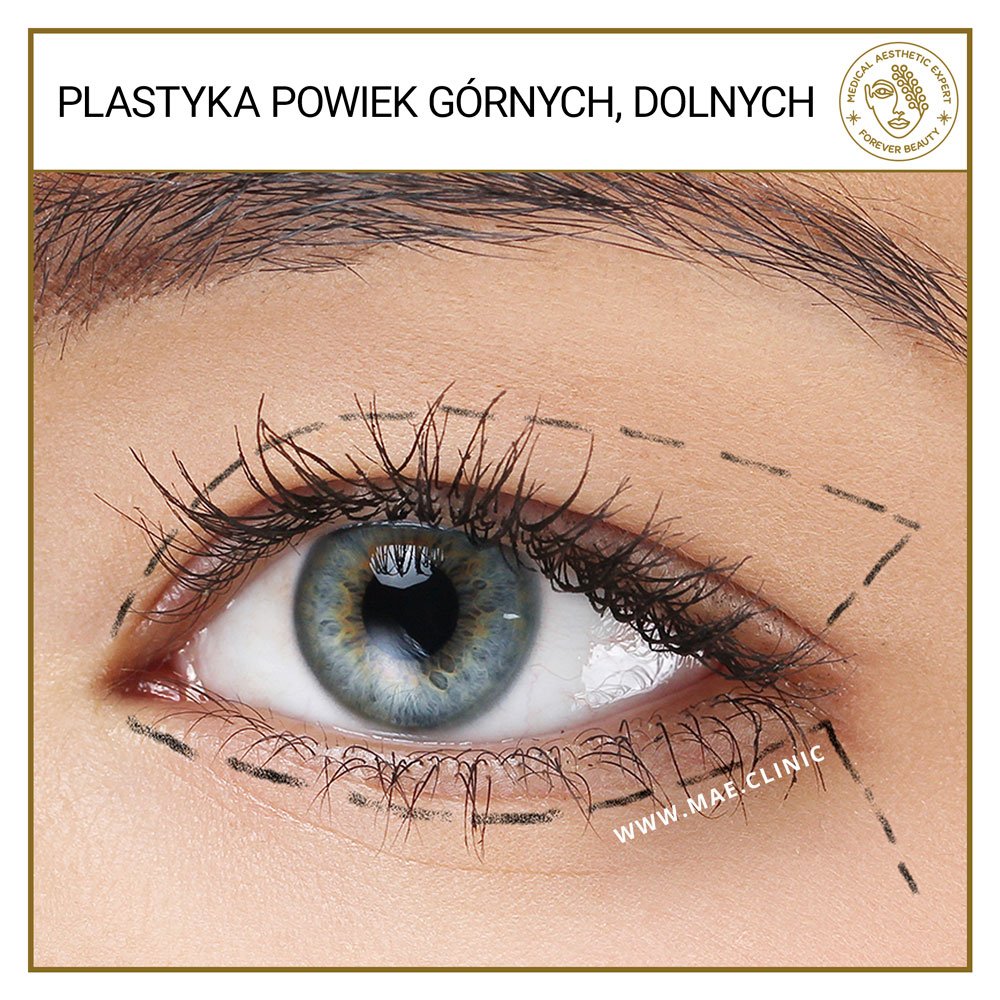
Upper eyelid blepharoplasty involves removing excess lax skin, often without disturbing the orbicularis oculi muscle. The incision is made in the natural eyelid crease, so once healed the scar remains practically invisible. In some cases, small fat herniations located in the medial part of the orbit are also removed during the procedure. This restores the proper contour of the eyelid and gives the eyes a fresher, more rested look.
Incisions after upper eyelid blepharoplasty are closed with a continuous intradermal suture using very fine, non-absorbable nylon thread. This suture allows very precise alignment of the skin edges and an almost invisible scar once healed.
Lower eyelid blepharoplasty
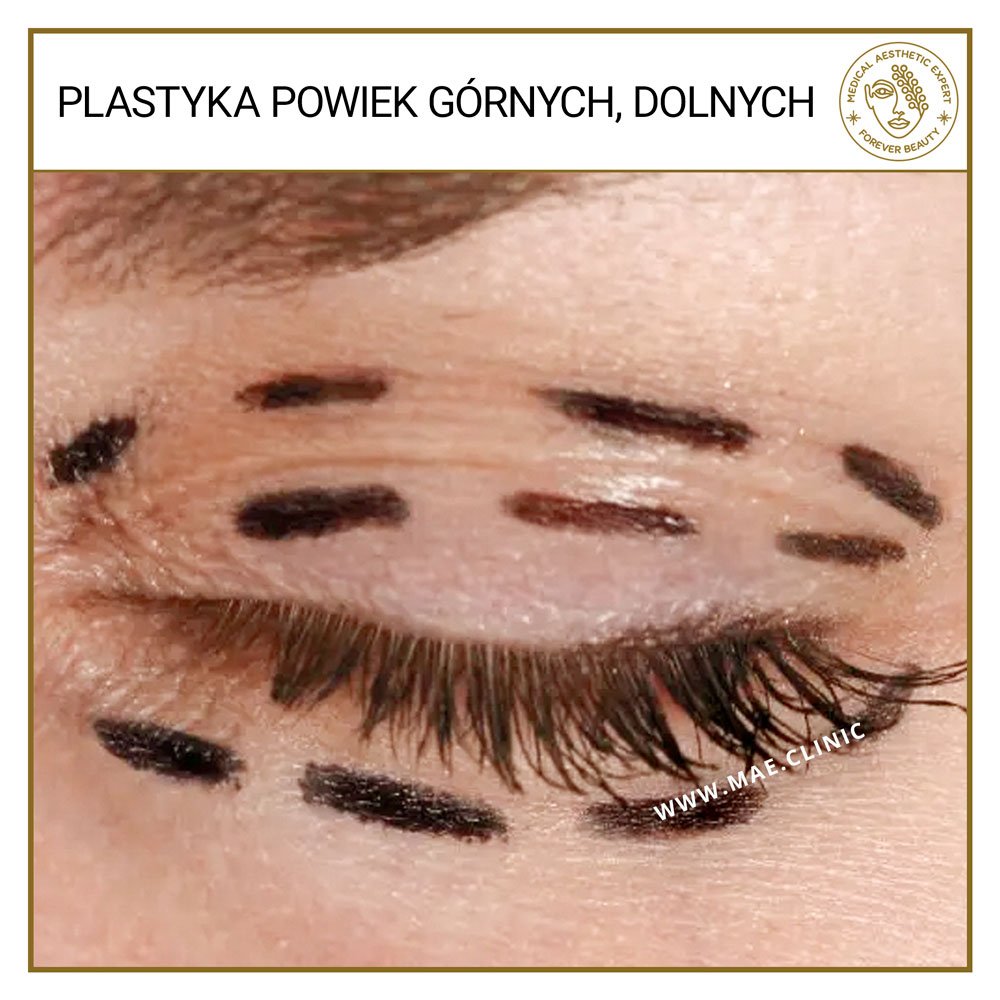
Lower eyelid blepharoplasty covers several different variants of the procedure, depending on the nature of the anatomical changes.
Lax lower eyelid skin
Where the lower eyelid skin is lax, the procedure mainly involves removing the excess and restoring proper tissue tension. The incision is made just below the lash line, so the scar remains discreet and practically invisible.
Fat herniation – bags under the eyes
If the dominant problem is orbital fat herniation, i.e. the characteristic bags under the eyes, the procedure involves selective reduction or repositioning of the fat pads responsible for the bulging of the lower eyelid.
Malar bags
Where so-called malar bags are present, i.e. fat deposits in the cheek area below the lower eyelid, the procedure involves removing the superficial fat lobules responsible for deforming the transition between the lower eyelid and the cheek. Unlike classic orbital fat herniations, these changes lie more superficially and require a different surgical technique.
Festoons
Festoons form a separate category: extensive skin-and-muscle folds of the lower eyelid and upper cheek. In these cases, the procedure involves careful dissection of the tissues, removal of excess skin and restoration of proper tension in the eyelid structures.
Wound closure
Incisions after lower eyelid blepharoplasty are closed with a continuous intradermal suture using absorbable thread. Fine absorbable sutures, such as Vicryl, are most commonly used; they provide stable tissue apposition and do not need to be removed later.
Results of the procedure
The procedure results in a smoother eyelid contour, the removal of excess skin and the restoration of a natural, more youthful appearance of the eye area. In many cases, correction of the lower and upper eyelids also significantly enhances the aesthetic result of previous procedures in the upper part of the face, especially when drooping eyebrows or laxity of the temple tissues are also present.
Blepharoplasty restores harmonious proportions to the upper part of the face, relieves the eyelids of excess weight and gives the eyes a more open, rested and natural expression.
Results
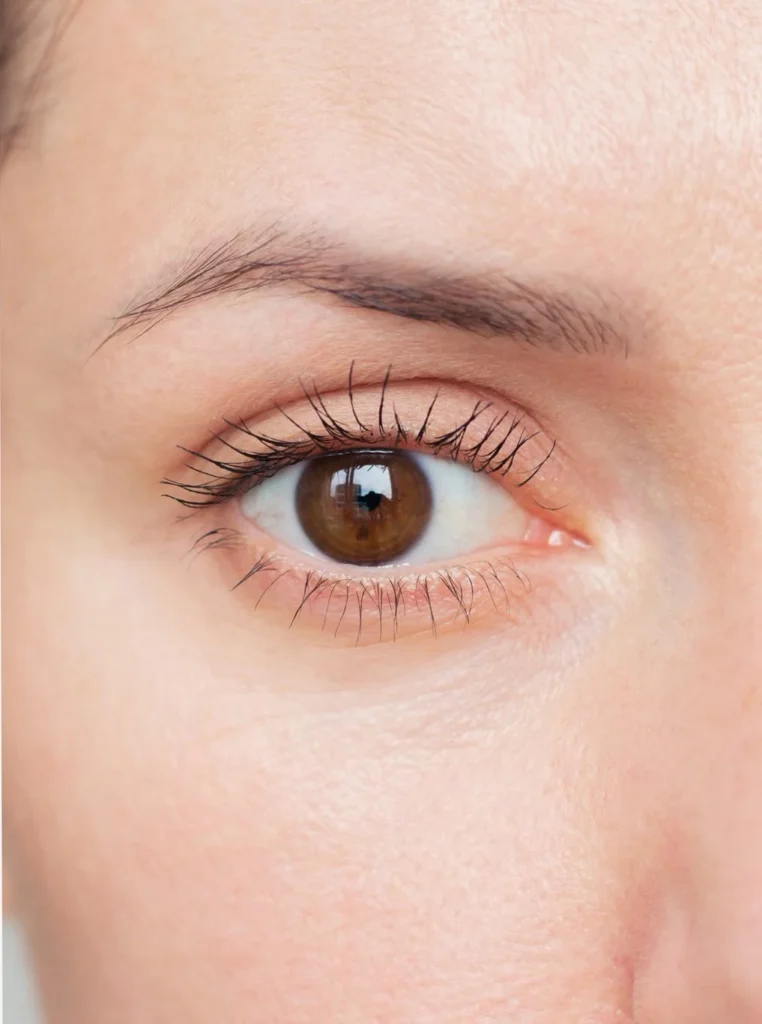
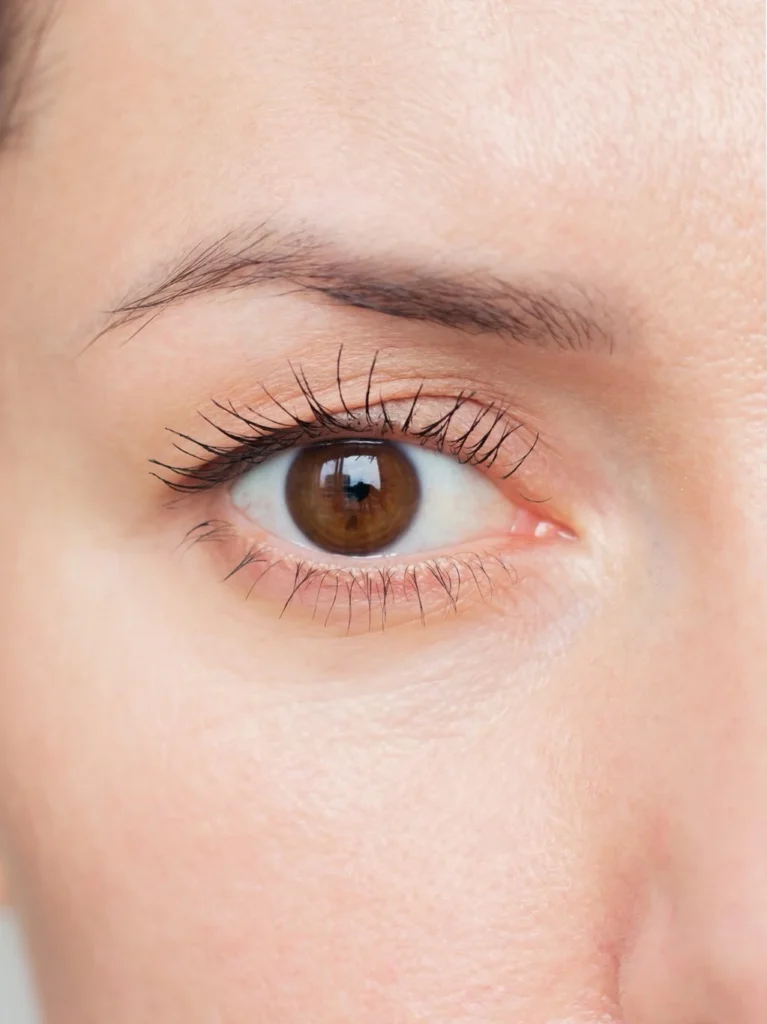
Upper eyelid blepharoplasty
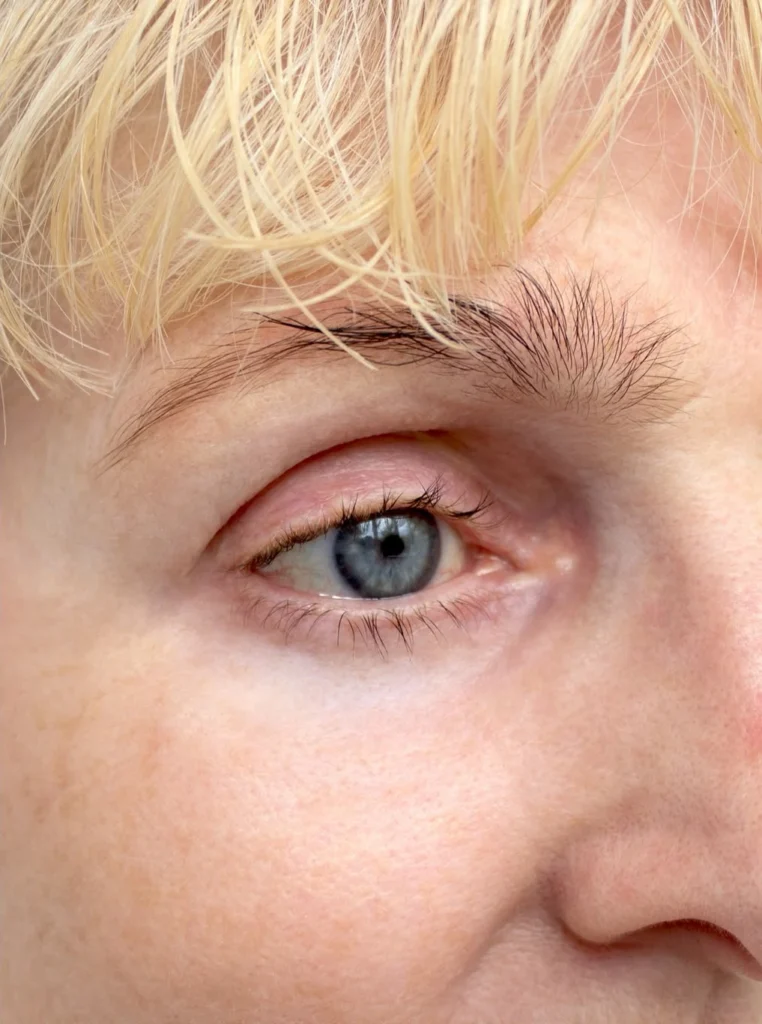
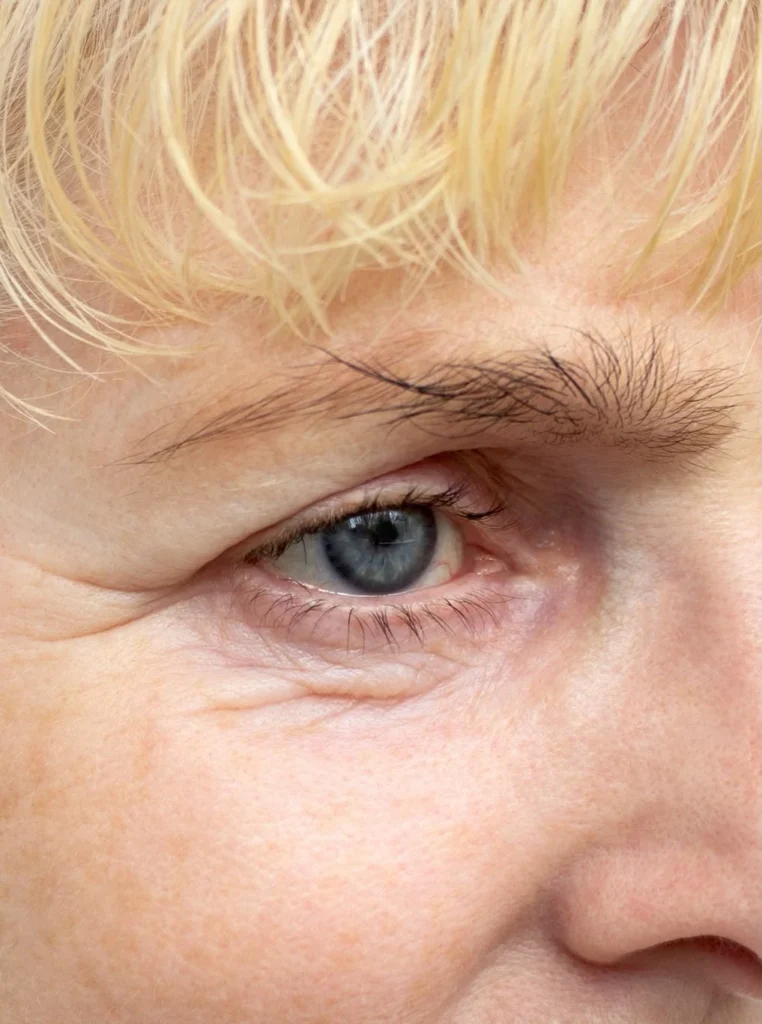
Upper and lower eyelid blepharoplasty
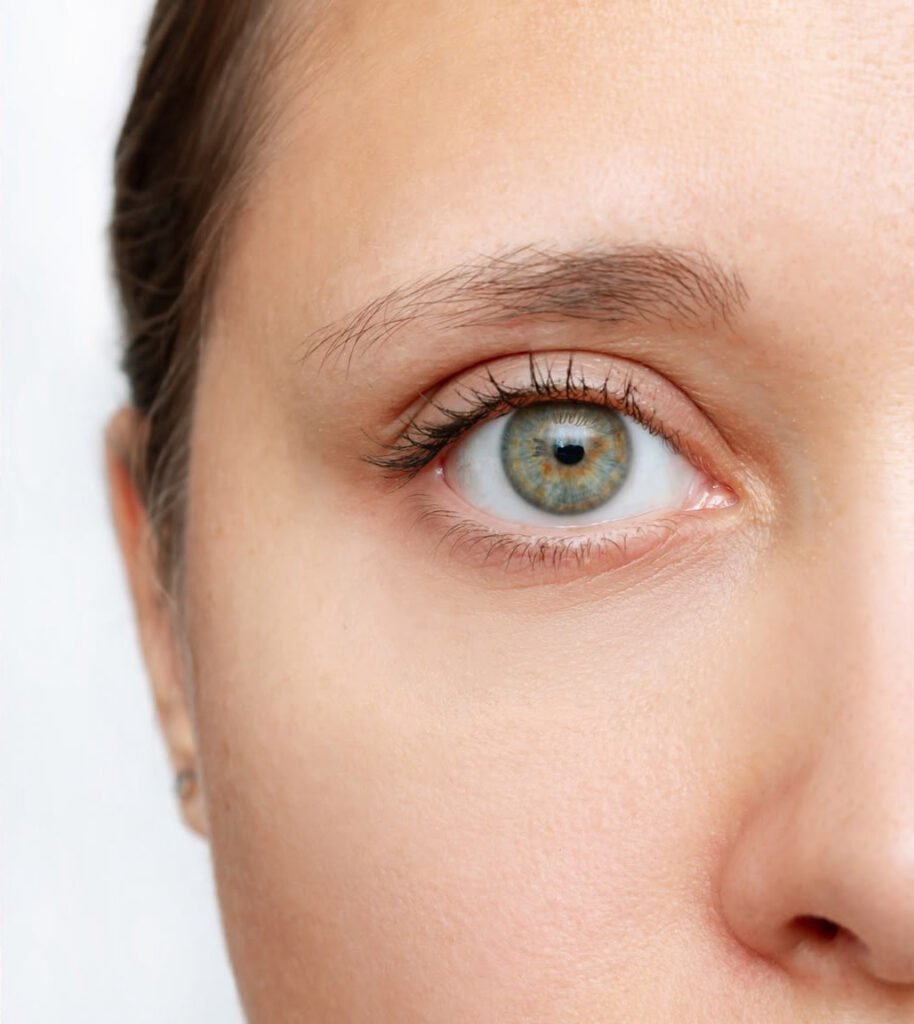
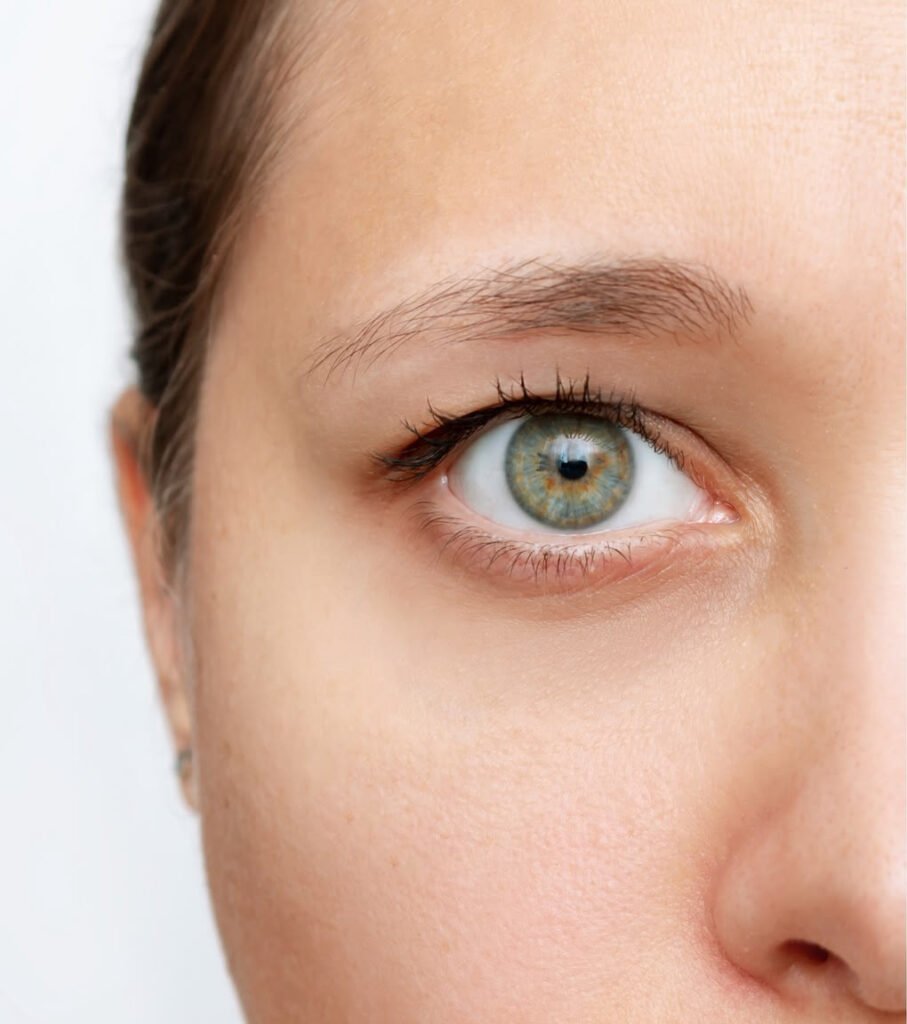
Upper eyelid blepharoplasty


Lower eyelid blepharoplasty


Lower eyelid blepharoplasty
Reviews
View treatment prices
All treatments at half price
With a Mae Gold membership you pay 50% less for every treatment for 12 months from purchase. The card pays for itself with a single 500 zł treatment.