

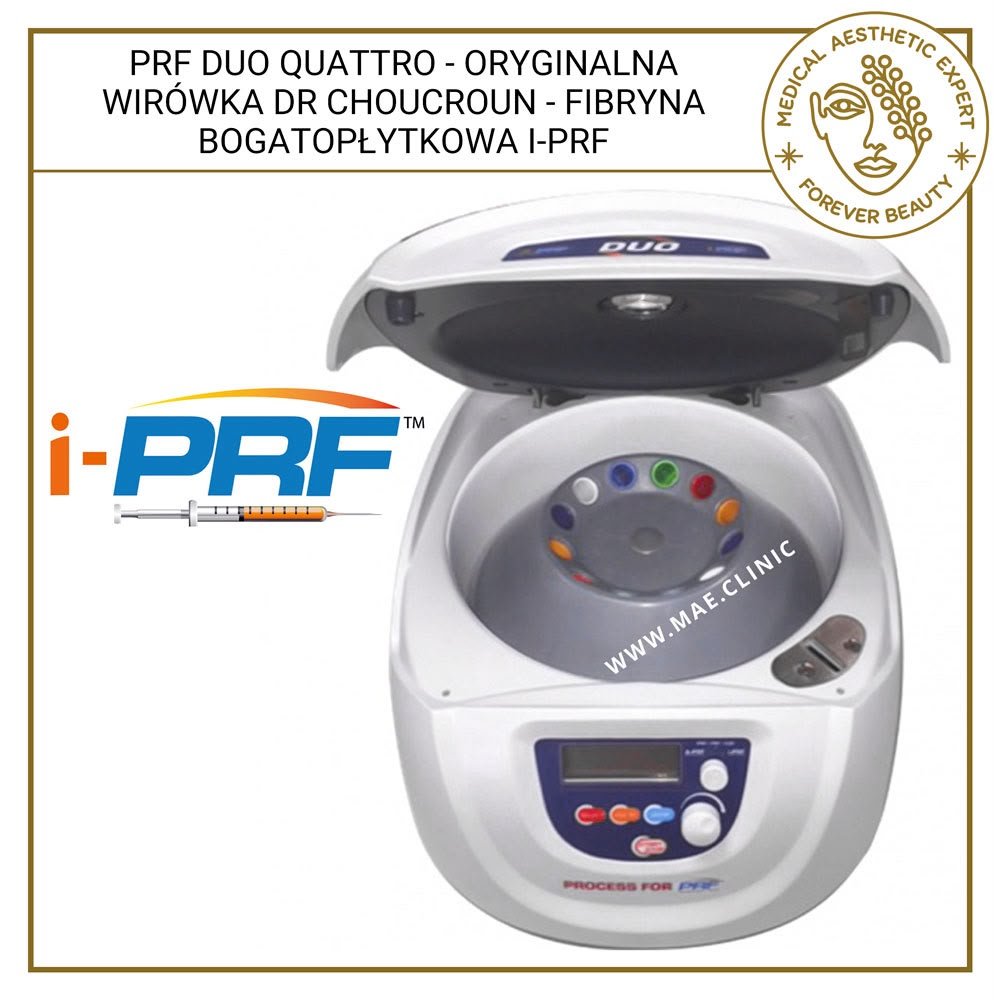
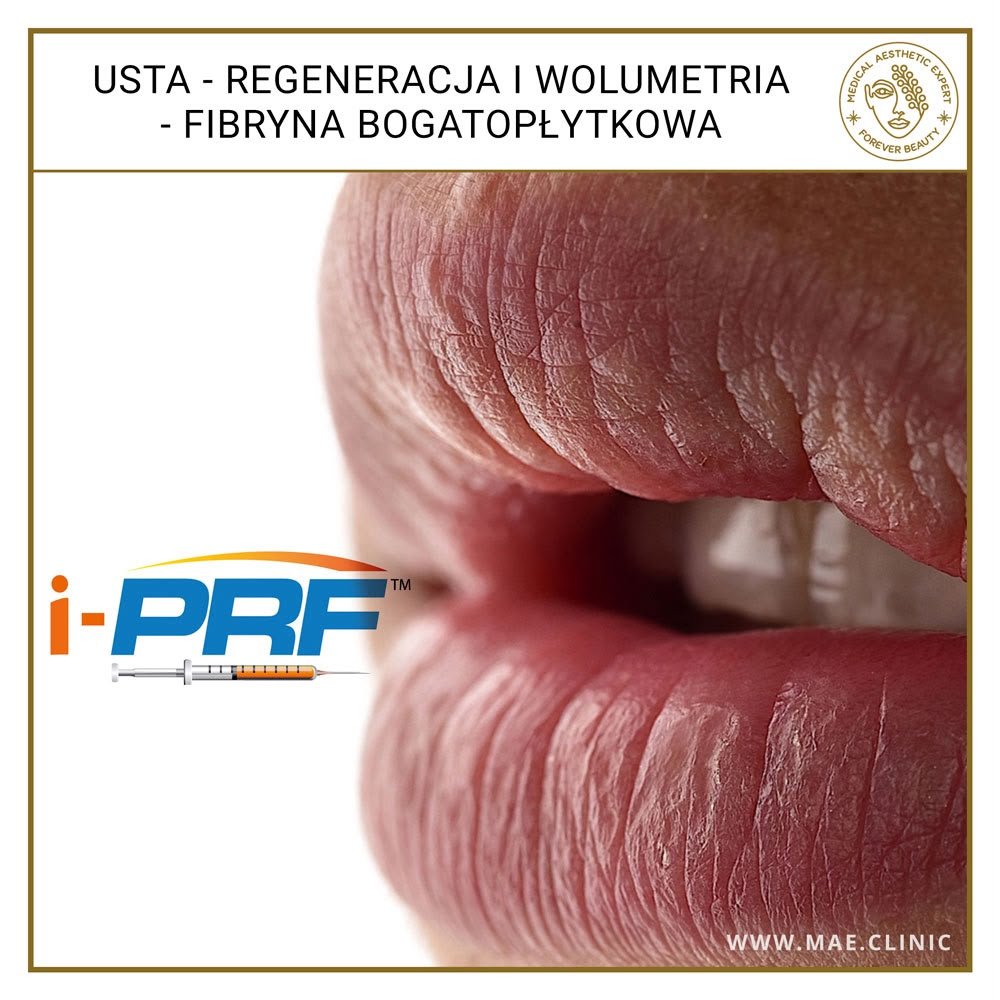
- Description
- Results
- Reviews
- Prices
- Documents
How platelet-rich therapies work
Platelet-rich therapies are based on blood platelets. Once activated in the tissues, they release numerous growth factors – biological signals responsible for triggering repair processes, cell regeneration, stimulating collagen production and improving microcirculation.
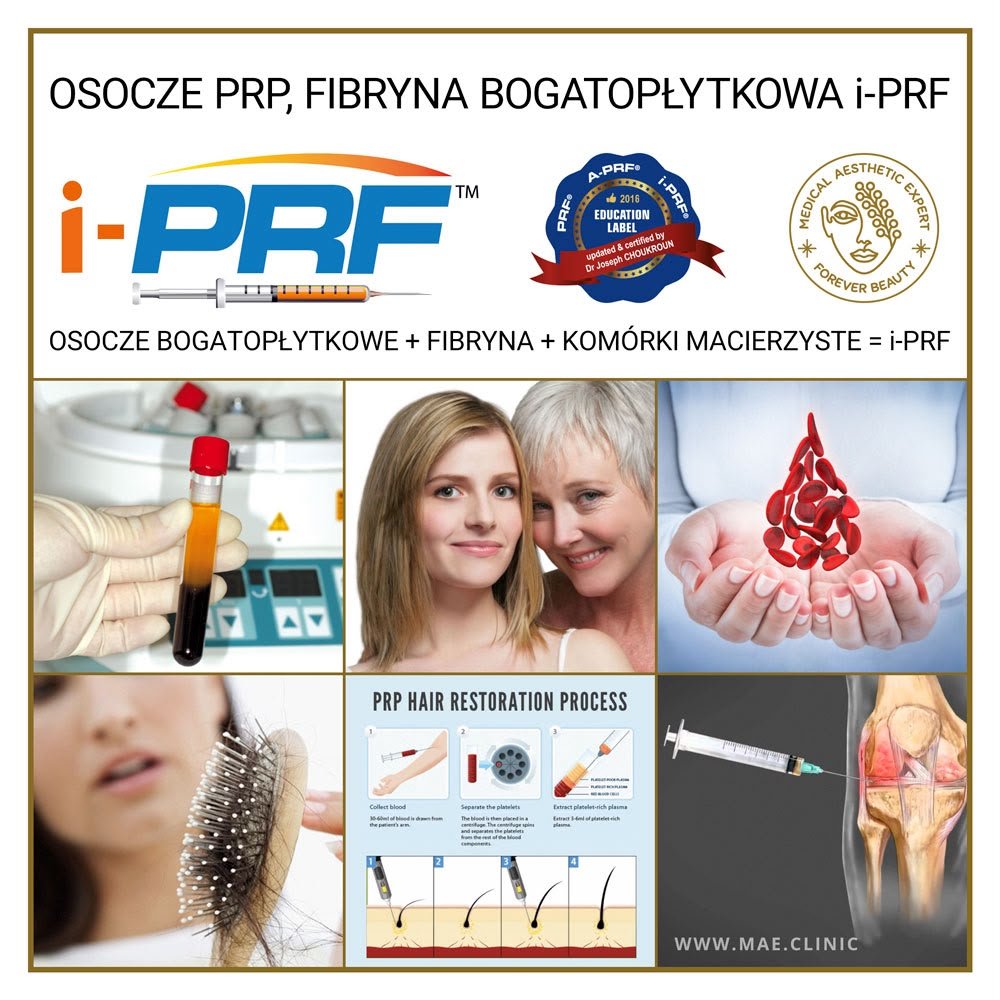
Platelet-rich plasma (PRP) vs platelet-rich fibrin (i-PRF)
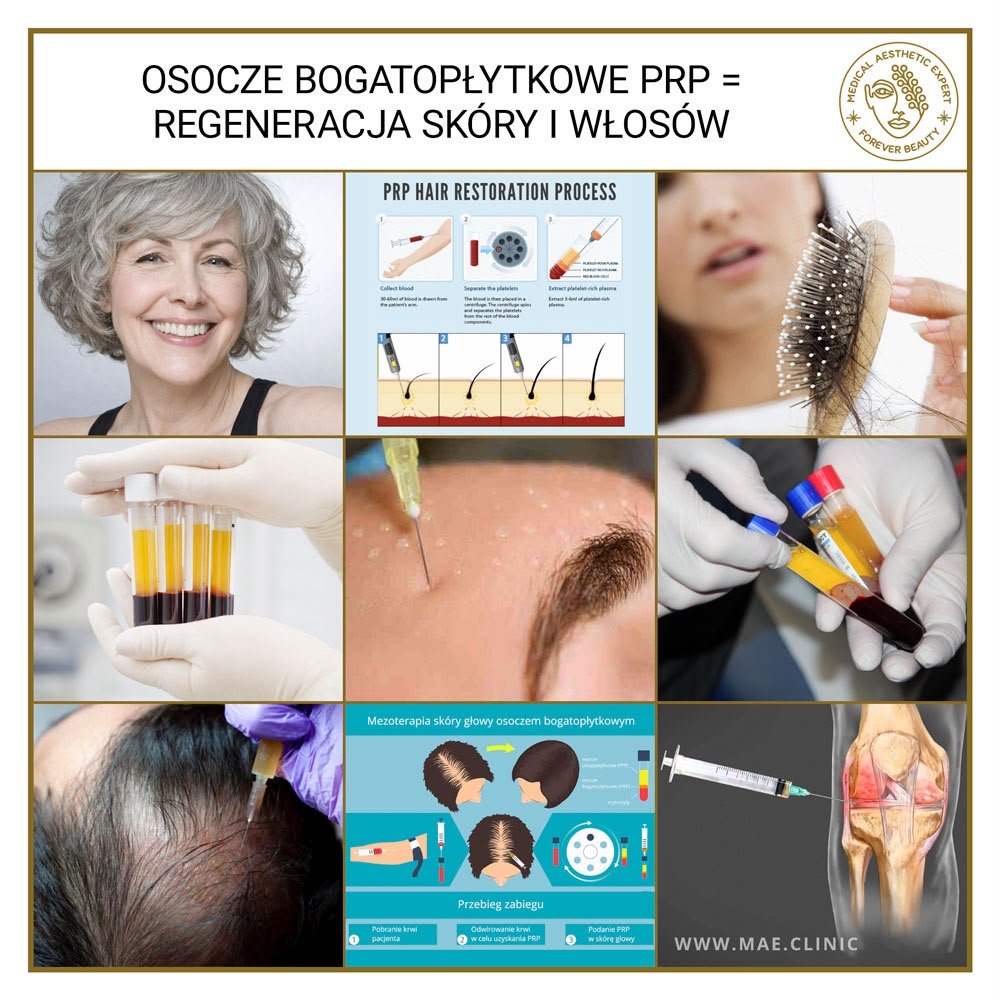
Many patients are familiar with platelet-rich plasma, or PRP. It is a concentrate of blood platelets suspended in plasma. The blood is drawn into a tube containing an anticoagulant – a substance that prevents clotting. As a result, the preparation remains liquid, but fibrinogen is not converted into fibrin. Once injected into the tissues, the platelets release growth factors quickly: the stimulus is intense but short-lived.
Platelet-rich fibrin i-PRF, in its liquid injectable form, is a further development of this technology. The difference begins at the blood collection stage.
No anticoagulant. The blood is drawn into a tube without any additives. The clotting cascade therefore begins naturally, and the preparation is injected within a short time window, before it gels. This means that fibrin forms only in the patient's tissue. All the other differences stem from this single fact.
A natural fibrin network. Fibrin – a protein formed from fibrinogen during clotting – creates a delicate, three-dimensional biological scaffold in the tissues, in which blood platelets and peripheral blood cells are suspended. This network stabilises the preparation at the injection site and ensures that growth factors are released gradually over many days. i-PRF therefore acts as a natural sustained-release system for regenerative signals.
Gentle centrifugation and a richer cellular fraction. i-PRF is prepared at low centrifuge speeds and over a short time. The gentler centrifugal force does not separate the blood as aggressively, so more cellular elements remain in the resulting concentrate: blood platelets, leucocytes and peripheral blood stem cells. Leucocytes are not merely an addition – they are themselves a source of growth factors and help regulate the healing process. Plasma without the cellular fraction lacks these properties.
A completely pure preparation. i-PRF contains nothing but the patient's blood – no anticoagulant, no clotting activators and no other added substances. With PRP, citrate remains in the preparation, and some protocols additionally use activation with calcium chloride or thrombin.
For these reasons, we use only platelet-rich fibrin i-PRF for regenerating the skin, the scalp, the lips and the intimate areas.
Platelet-rich plasma retains its justified place in other indications – above all in intra-articular injections for joint regeneration, where the concentrate of growth factors itself is decisive rather than the cellular fraction. In this application, PRP remains the method of choice.
Treatment procedure
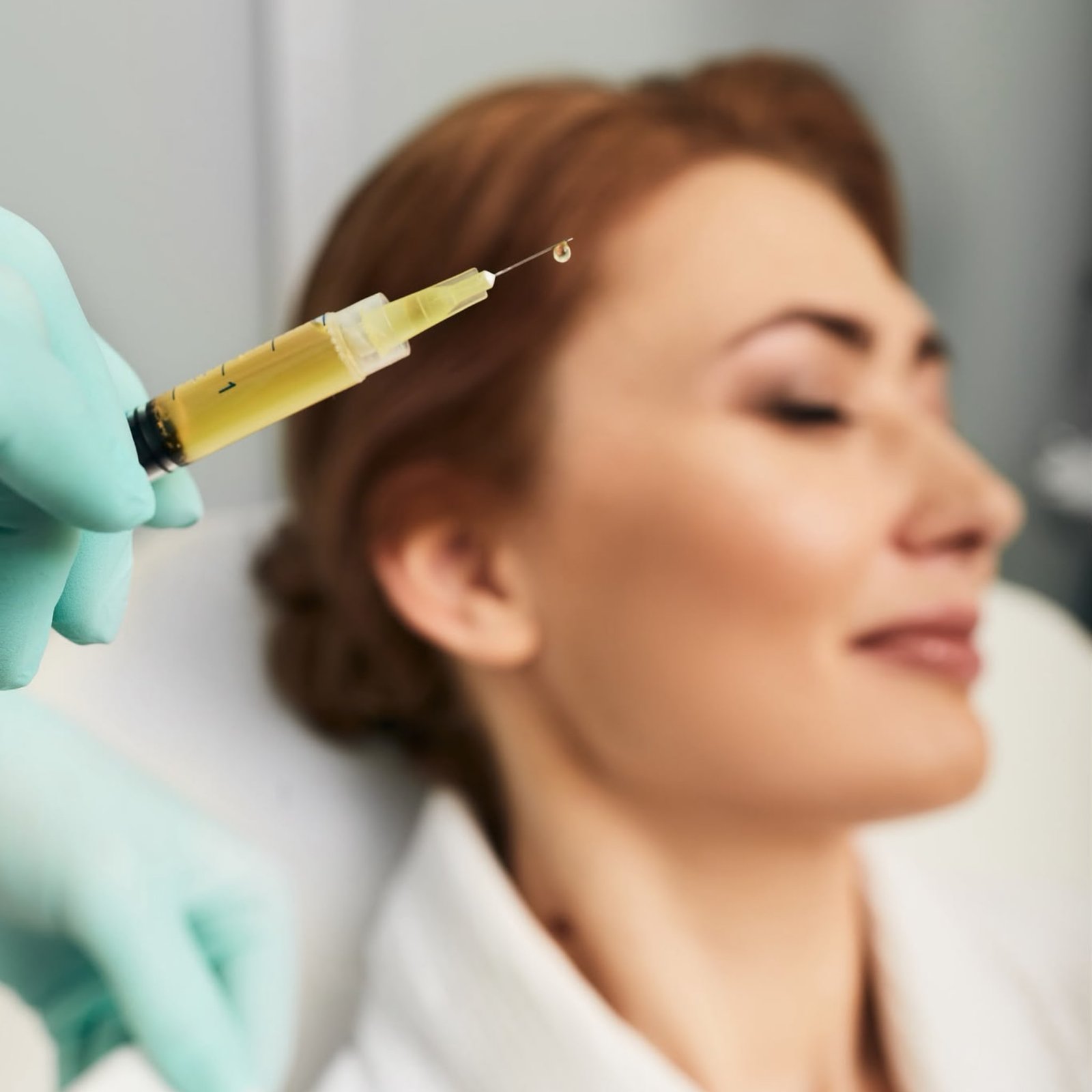
The treatment involves drawing a small amount of the patient's venous blood and then preparing the preparation in a special medical centrifuge. A short centrifugation process yields a concentrate rich in blood platelets, fibrin, peripheral blood cells and biologically active proteins. The material prepared in this way is injected into the selected area with a fine needle or cannula.
Because we use only components of the patient's own blood, the preparation is fully autologous, biologically compatible with the body and practically never causes allergic reactions.
Treatment protocol
The treatments are performed as a series. As standard, this is a series of 3 treatments at intervals of 2–3 weeks. This rhythm allows successive regenerative stimuli to build on the ongoing tissue remodelling.
Results build up gradually. Platelet-rich preparations are also a valuable complement to laser treatments and other procedures that stimulate skin remodelling, as they support tissue regeneration and improve healing conditions.
Areas of application
1. Non-hairy skin – face, eye area, neck, décolletage, hands
Here, the therapy is used primarily to improve skin quality, revitalise the skin and support natural regenerative processes.
Growth factors released from blood platelets stimulate collagen production and improve microcirculation in the skin. The result is improved skin quality: the skin becomes firmer, better hydrated and more elastic, and regains a healthier, fresher appearance.
The fibrin network holds the preparation at the injection site and prolongs the action of the growth factors, including in the period between successive treatments in the series.
2. Scalp – stimulation of hair follicles
The preparation injected into the scalp acts directly on the hair follicles. Growth factors stimulate their activity, improve scalp microcirculation and prolong the hair growth phase, which helps improve the quality of regrowing hair.
The result is a gradual improvement in hair density and hair condition.
The role of fibrin in this area: Restoring hair density is not the result of a single stimulus – it requires sustained stimulation of the hair follicles and improvement of the conditions in which they function. The fibrin scaffold retains blood platelets and peripheral blood cells at the injection site, and growth factors are released gradually. This means a longer-lasting effect on the hair follicle and scalp microcirculation, including between successive treatments in the series.
The fibrin network also acts as a natural tissue matrix: it is not a foreign body, but a protein formed from the fibrinogen of the patient's own blood, which is gradually remodelled in the tissue.
After the initial series is completed, maintenance treatments are performed every 3–6 months.
3. Lips – hydration, regeneration, a subtle volumising effect
The preparation injected into and around the lips stimulates natural repair processes in the tissues. Thanks to the high concentration of blood platelets and growth factors, it provides intense hydration, improves skin elasticity and quality, smooths fine lines around the mouth and achieves a subtle, natural volumising effect.
This treatment is often chosen as the first step in improving the appearance of the lips – it makes it possible to assess the natural regenerative potential of the tissues before any decision on classic volumisation with fillers.
The lips are a very well-vascularised and constantly moving area, so stabilisation of the preparation by the fibrin network is particularly important here for how long it works.
4. Intimate areas
The intimate areas have particular characteristics: the tissues here are thin, delicate, highly vascularised and sensitive to hormonal changes. This is also the area where patients most often have concerns about the use of synthetic materials.
Platelet-rich therapy is a natural fit here. The preparation is made solely from the patient's own blood and is fully autologous and biologically compatible with the body. We introduce no foreign substance into the tissues – only concentrated regenerative factors and cells from the patient's own blood.
The mechanism of action is the same as in other areas. Growth factors stimulate repair processes and collagen production and improve microcirculation. This translates into improved tissue quality, hydration and elasticity, as well as better blood supply and nourishment of the tissues.
The treatment is performed primarily to improve the quality and condition of the tissues – in cases of dryness and loss of elasticity and firmness resulting from age or hormonal changes, and also to support regeneration after childbirth. As in other areas, the preparation is a valuable complement to laser treatments of the intimate areas.
The role of fibrin in this area. Given the high sensitivity and rich blood supply of this area, it is particularly important that the regenerative stimulus is not a one-off impulse. The fibrin network stabilises the preparation at the injection site and allows growth factors to be released gradually, which means longer and gentler stimulation of tissue remodelling.
Preparing for the treatment
- The treatment involves drawing venous blood – good hydration on the day before and a light meal before the visit are recommended.
- It is advisable to avoid alcohol on the day before the treatment.
- You should inform the doctor of all medications you are taking, in particular anticoagulants and anti-inflammatory drugs.
- In the event of an active infection, inflammatory lesions or cold sores in the area of the planned treatment, the appointment should be rescheduled.
Post-treatment recommendations
Recommendations common to all areas
- For the first 24 hours, avoid strenuous physical exercise, saunas, hot baths and exposure to high temperatures.
- In the first few days, avoid other procedures in the treated area (peels, microdermabrasion, radiofrequency, laser therapy, intensive massage).
- Slight swelling, redness, tenderness or minor bruising at the injection sites are temporary and resolve on their own within a few days.
- Adequate hydration and avoiding alcohol on the day of the treatment are recommended.
Recommendations for non-hairy skin (face, eye area, neck, décolletage, hands)
- On the day of the treatment, avoid touching and massaging the treated areas. The skin should be kept clean, with no cosmetics, creams or make-up applied for at least 12 hours.
- For a few days, avoid sunbeds and intense sun exposure; use products with a high SPF.
- Maintain proper skin hygiene and use gentle cleansers; avoid cosmetics containing alcohol, retinoids or strong acids.
Recommendations for the scalp
- On the day of the treatment, do not wash the scalp or apply any cosmetic products to the treated area.
- For the first 24 hours, also avoid swimming pools and overheating the scalp.
- Hair may be washed 24 hours after the treatment, using mild products.
- For a few days, avoid intensive hairdressing treatments (colouring, perming, chemical treatments).
- Do not use products that irritate the scalp or vigorously massage the injection sites in the first few days after the treatment.
Recommendations for the lips
- On the day of the treatment, avoid touching and massaging the lips; the lips should be kept clean, with no cosmetics, lipsticks, lip glosses or make-up applied for at least 12 hours.
- For a few days, avoid sunbeds and intense sun exposure; use products with a high SPF.
- Use gentle cleansers; avoid cosmetics containing alcohol, retinoids or strong acids around the mouth.
Recommendations for the intimate area
- On the day of the treatment, avoid touching and massaging the treated area.
- Hygiene should be gentle – use mild cleansers and avoid perfumed and irritating products.
- For the first 24 hours, showers are recommended instead of baths.
- For a few days, avoid swimming pools, jacuzzis and saunas.
- Refrain from sexual intercourse for a few days.
- Breathable cotton underwear is recommended; avoid tight clothing that presses on the treated area.
- In the first few days, avoid hair removal in the treated area.
Results
Reviews
View treatment prices
All treatments at half price
With a Mae Gold membership you pay 50% less for every treatment for 12 months from purchase. The card pays for itself with a single 500 zł treatment.